 English
 Español
  Português
  русский
  Français
  日本語
日本語  Deutsch
  tiếng Việt
  Italiano
  Nederlands
  ภาษาไทย
  Polski
  한국어
한국어  Svenska
  magyar
  Malay
Malay  বাংলা ভাষার
  Dansk
Dansk  Suomi
Suomi  हिन्दी
  Pilipino
  Türkçe
  Gaeilge
  العربية
  Indonesia
  Norsk
Norsk  تمل
تمل  český
český  ελληνικά
  український
  Javanese
  فارسی
فارسی  தமிழ்
தமிழ்  తెలుగు
  नेपाली
  Burmese
  български
  ລາວ
ລາວ  Latine
  Қазақша
  Euskal
  Azərbaycan
  Slovenský jazyk
  Македонски
  Lietuvos
  Eesti Keel
  Română
  Slovenski
  मराठी
मराठी  Srpski језик

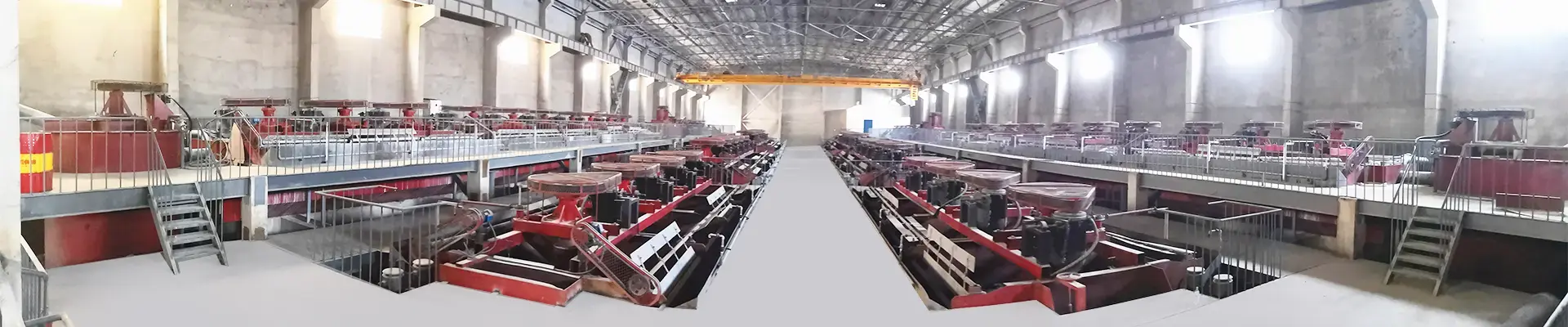
Why Does Thickener and Classifier Performance Decide the Stability of Mineral Processing?
Article Summary
In many mineral processing plants, unstable overflow, poor underflow density, coarse particles in the wrong stream, and frequent downtime are not isolated problems. They often point back to one core issue: the separation stage is not working as efficiently as it should. A well-matched Thickener and Classifier solution helps operators improve solid-liquid separation, control particle size distribution, reduce water loss, protect downstream equipment, and stabilize the entire process flow.
This article explains where customer pain points usually come from, how different units solve different problems, what technical factors matter when selecting equipment, and how buyers can judge whether a supplier truly understands plant conditions. If you are comparing options for tailings treatment, grinding circuit control, overflow clarification, or slurry dewatering, this guide is designed to give you a clearer path forward.
Table of Contents
- Outline
- What does a Thickener and Classifier actually do
- Which plant problems usually signal a poor equipment match
- How are thickening and classification different in real production
- What should buyers evaluate before choosing a solution
- Which equipment configuration fits different processing goals
- Why does supplier capability matter more than many buyers expect
- FAQ
- Final thoughts
Outline
- Understanding the role of Thickener and Classifier systems in separation efficiency
- Identifying the most common operational pain points in mining and mineral processing plants
- Explaining the different functions of thickening and classification equipment
- Reviewing the core technical factors behind equipment selection
- Comparing common application scenarios and matching solutions
- Showing why engineering support, customization, and after-sales response affect long-term value
What does a Thickener and Classifier actually do
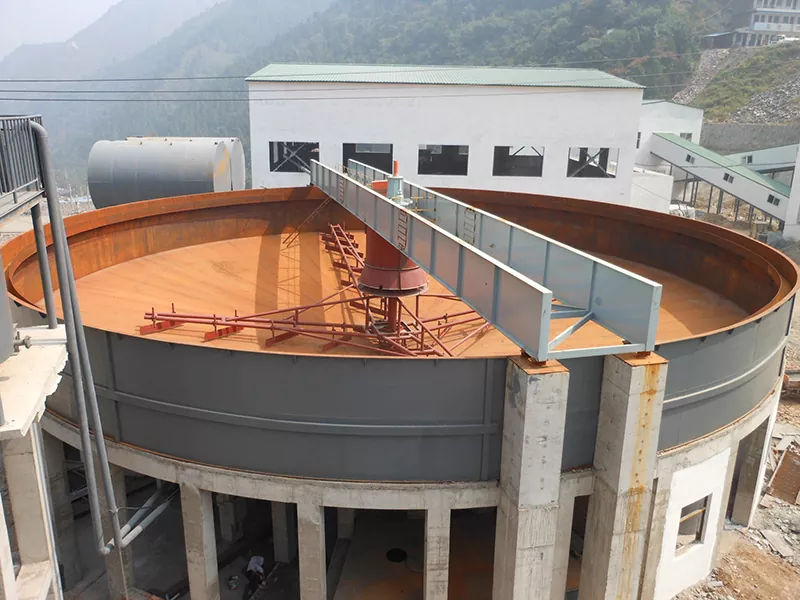
A Thickener and Classifier system is not just an accessory in a mineral processing line. It directly affects water recovery, pulp concentration, particle grading, circulating load, and downstream efficiency. When operators treat this stage as secondary, they often end up paying for it elsewhere through higher energy use, unstable product quality, and difficult process control.
A thickener is mainly used to concentrate slurry and separate solids from liquid. Its job is to increase underflow density while producing clearer overflow. This helps reduce the burden on tailings handling, supports water reuse, and creates more stable feeding conditions for later stages. A classifier, on the other hand, separates particles according to size and settling behavior. It is often used in grinding circuits to make sure fine material moves forward while coarse particles return for further grinding.
When these two functions are properly aligned, the process becomes more predictable. When they are poorly selected or poorly integrated, every downstream stage starts absorbing the consequences.
Why buyers usually start looking for a better solution
- Overflow is cloudy and difficult to recycle
- Underflow concentration fluctuates too much
- Grinding circuit load becomes hard to control
- Product fineness does not stay within the expected range
- Water consumption remains higher than planned
- Plant personnel spend too much time correcting preventable process instability
Which plant problems usually signal a poor equipment match
Many buyers do not realize they have a Thickener and Classifier mismatch until multiple symptoms appear at the same time. The problem is rarely just one number on a specification sheet. In real plants, trouble shows up through operational frustration.
One common pain point is unstable settlement. If slurry properties change but the thickener design does not have enough adaptability, underflow density can swing widely. This creates feeding inconsistency for filtration, tailings disposal, or backfill preparation. Another issue is muddy overflow. Clear liquid recovery is valuable, especially where water reuse is important, but poor internal flow design, insufficient settling area, or improper flocculation support can reduce clarity.
Classification brings its own issues. If coarse and fine particles are not separated effectively, the grinding circuit suffers. Overgrinding wastes energy, while undergrinding can hurt recovery performance in later stages. Some plants also face sanding, short-circuiting, or poor return efficiency because the classifier structure does not match the ore characteristics or throughput target.
These are the kinds of problems that buyers often describe in practical language: “Our plant runs, but not smoothly.” That sentence usually means there is hidden value being lost every day.
| Observed Pain Point | Likely Process Cause | Impact on Production | What a Better Solution Should Improve |
|---|---|---|---|
| Cloudy overflow | Insufficient settling efficiency or weak internal flow control | Lower water reuse and more difficult downstream liquid handling | Clearer overflow and more stable liquid recovery |
| Low or unstable underflow density | Poor thickening performance under variable feed conditions | Inconsistent feed for filtration, tailings, or filling systems | Higher and steadier underflow concentration |
| Grinding circuit instability | Ineffective particle size separation | Higher circulating load and lower grinding efficiency | More accurate particle classification |
| Excessive water consumption | Weak solid-liquid separation and poor recovery of process water | Higher operating cost and greater water management pressure | Improved water recycling performance |
| Frequent manual intervention | Equipment not well matched to ore and capacity conditions | Lower process stability and more labor burden | Smoother operation with less correction required |
How are thickening and classification different in real production
Buyers sometimes group these machines together because they both deal with slurry, but their missions are different. Understanding that difference is essential if you want the right result rather than just another machine on site.
Thickening is fundamentally about concentration and clarification. It focuses on settling behavior, overflow quality, and underflow discharge condition. Classification is fundamentally about separating particle size fractions within the process stream. It influences whether the next stage receives the right material at the right moment.
That means the buying logic should also be different. A thickener should be evaluated through slurry properties, target underflow density, required overflow quality, footprint, control method, and long-term operating stability. A classifier should be judged through particle size cut performance, feed variation tolerance, circulation requirements, and integration with the grinding section.
When customers choose based only on price or general capacity, they often miss these distinctions. The result looks acceptable on paper but becomes expensive in operation.
A simple way to think about the difference
- Thickener means concentrating solids and recovering clearer liquid
- Classifier means separating particles so each size fraction goes where it should
- Combined value means better process control from both water and particle perspectives
What should buyers evaluate before choosing a solution
Before selecting a Thickener and Classifier, buyers should begin with process reality instead of catalog habit. The right question is not “Which model is popular?” but “Which design suits this ore, this capacity, and this plant objective?”
Start with feed characteristics. Particle size distribution, pulp concentration, solids specific gravity, viscosity, and ore behavior all influence how well the unit will perform. Then define the production target clearly. Are you prioritizing water reuse, tailings concentration, grinding circuit efficiency, or final product grading consistency? Each target shifts the equipment choice.
Capacity is another major factor, but it should not be treated in isolation. Equipment that meets tonnage requirements yet struggles under variable feed conditions may still create long-term losses. Layout constraints, automation expectations, maintenance access, and spare parts support also deserve attention. Some buyers save money on initial procurement only to lose more later through poor service response or difficult maintenance.
This is why experienced manufacturers usually ask detailed process questions early. It is not a sales formality. It is the difference between supplying a machine and supplying a workable solution.
| Selection Factor | Why It Matters | Questions Buyers Should Ask |
|---|---|---|
| Feed characteristics | They determine settling behavior and classification efficiency | What are the solids content, particle distribution, and ore properties? |
| Target outcome | Different goals require different design priorities | Do you need higher underflow density, better overflow clarity, or more precise size separation? |
| Throughput range | Real operating range matters more than ideal rated capacity | Can the unit handle fluctuations without performance collapse? |
| Plant layout | Space and installation conditions affect practical deployment | Will the equipment fit the site without creating maintenance difficulty? |
| Control and maintenance | Stable operation depends on more than hardware alone | Is the system easy to monitor, adjust, and maintain over time? |
Which equipment configuration fits different processing goals
There is no single universal answer in Thickener and Classifier selection. The best choice depends on what the plant is trying to fix or improve.
If the main issue is overflow quality and water reuse, a design focused on stronger clarification and efficient settling area may be the better fit. If the site is under pressure to improve tailings concentration, buyers may need a configuration that supports higher underflow density and more stable discharge control. If the grinding stage suffers from inaccurate size control, classifier selection becomes more critical than many teams first assume.
A capable supplier should not force every customer into the same recommendation. Instead, they should map the actual process objective to the most suitable structure, transmission mode, operating principle, and support plan.
- For water recovery driven projects, prioritize overflow clarity and stable settling performance
- For tailings management, prioritize concentration effect and discharge consistency
- For grinding circuit improvement, prioritize reliable size separation and return efficiency
- For integrated plant upgrades, evaluate the full interaction between thickening, classification, pumping, and downstream handling
Qingdao EPIC Mining Machinery Co.,Ltd. is one of the manufacturers active in this equipment field, and buyers usually benefit most when they work with a partner that can discuss process adaptation rather than merely provide a general quotation. That practical engineering dialogue often tells you far more than a polished brochure.
Why does supplier capability matter more than many buyers expect
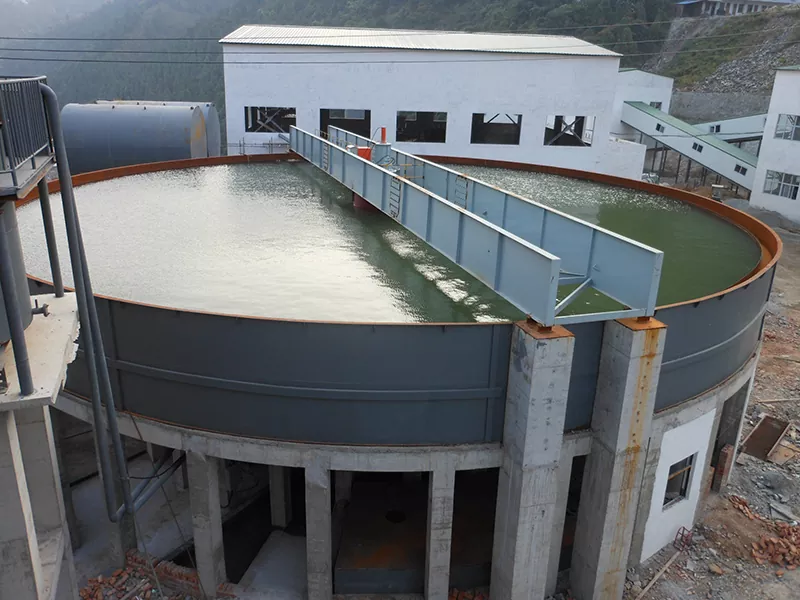
In this category, product quality is only part of the decision. Supplier capability affects customization speed, installation guidance, spare parts continuity, and how quickly operational issues can be solved after delivery.
Buyers often focus heavily on equipment price, but the real cost sits in lifetime performance. A cheaper unit that delivers poor concentration, difficult adjustment, or long downtime is not actually economical. By contrast, a supplier that understands process design, communicates clearly about parameters, and responds with practical support can protect plant efficiency long after the purchase order is signed.
It is smart to evaluate the supplier on several dimensions: manufacturing experience, technical communication, customization depth, lead time transparency, quality control, and after-sales responsiveness. These points are especially important for projects with variable ore properties, strict water reuse needs, or demanding throughput expectations.
A reliable Thickener and Classifier partner should help you reduce uncertainty, not add more of it.
FAQ
1. How do I know whether I need a thickener, a classifier, or both?
It depends on your process objective. If you need better slurry concentration and clearer recovered liquid, a thickener is essential. If you need particle size separation in a grinding or beneficiation circuit, a classifier is the key unit. Many plants require both because water management and particle control affect different parts of the process.
2. Why is my overflow still cloudy even after installation?
Cloudy overflow can come from feed variation, unsuitable design selection, internal flow inefficiency, or insufficient operating adjustment. In many cases, the issue is not one isolated defect but a mismatch between actual slurry conditions and the installed configuration.
3. Can a better classifier really reduce grinding cost?
Yes. When particle separation is more accurate, the grinding circuit becomes easier to control. That can reduce unnecessary overgrinding, improve return flow efficiency, and make energy use more productive.
4. What information should I prepare before asking for a quotation?
Prepare throughput, slurry concentration, particle size distribution, ore characteristics, target underflow density or classification goal, site conditions, and any current operating problems. The more accurate your process data is, the more useful the recommendation will be.
5. Is the lowest quotation usually the best option?
Not necessarily. The best value comes from stable operation, suitable design, practical service, and long-term maintainability. A lower initial price can become expensive if the system creates unstable performance or repeated downtime.
Final thoughts
The right Thickener and Classifier solution does far more than complete one separation step. It supports cleaner overflow, stronger concentration performance, steadier grinding control, better water utilization, and a more predictable plant overall. For buyers facing rising operating pressure, this is not a minor equipment choice. It is a process decision with lasting consequences.
If you are evaluating equipment for a new project or trying to solve persistent production issues in an existing plant, now is the right time to compare real process needs with a more suitable technical solution.
Looking for a more dependable Thickener and Classifier solution tailored to your plant conditions? Share your material data, capacity targets, and operating challenges with our team. We will help you identify a practical direction, recommend a suitable configuration, and support your project with responsive service. Contact us today to discuss your application and move toward a more stable and efficient production line.
Send Inquiry



X
We use cookies to offer you a better browsing experience, analyze site traffic and personalize content. By using this site, you agree to our use of cookies.
Privacy Policy